
Export Risk
For damage that accumulates across ports, climates, and handlers internationally.
Choose your level of protection
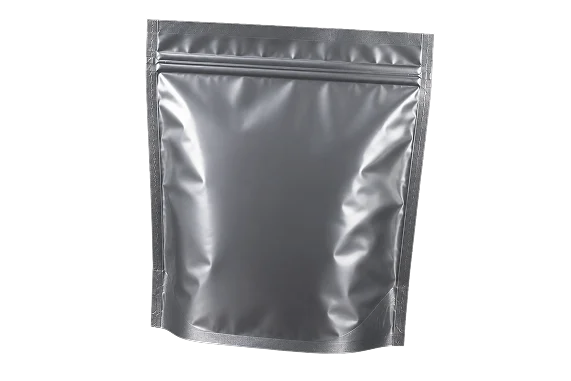
BASIC PROTECTION
- —Moisture Barrier Silver Bags
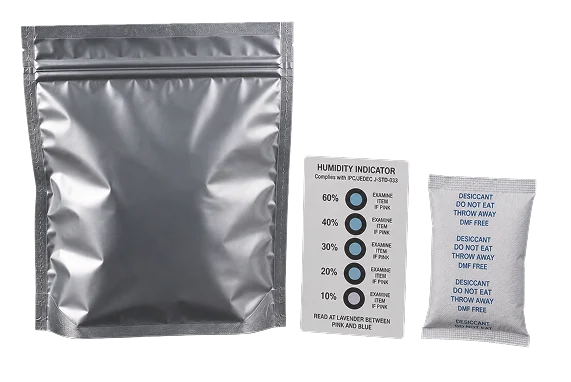
INDUSTRIAL PROTECTION
- —Moisture Barrier Silver Bags
- +Humidity Indicator Card
- +Desiccant
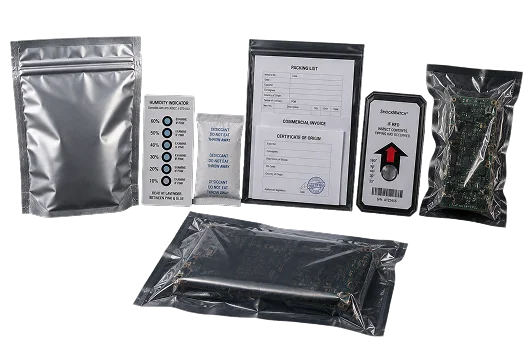
CRITICAL PROTECTION
- —Moisture Barrier Silver Bags
- —HIC & Desiccant
- —Export Documentation
- —Shock & Tilt Indicator
- —Vacuum Sealing
WHERE EXPORT DAMAGE ACTUALLY SHOWS UP
A shipment can pass through several ports, climates, and handlers - each one a chance for damage that's never reported back.
Moisture, shock, and mishandling during export often aren't visible until the customer opens the shipment.
By the time damage is found, it's on the other side of the world, and there's no way to know at which point it happened.
WHICH LEVEL DO YOU NEED?
Who This Protects
Common Questions
Q: What are the main causes of container rain during sea transit?
A: Container rain occurs when warm, humid air inside sea containers cools down at night, causing moisture to condense on the ceiling and drip onto cargo. Rapid ocean temperature changes and wood pallet outgassing exacerbate this, requiring heavy-duty desiccants and vapor barriers.
Q: How do you calculate the required volume of desiccant for export containers?
A: We calculate desiccant needs using the container's volume, expected transit duration, and cargo outgassing variables (e.g. wood pallets). Typically, sea transit requires 32 to 64 units of high-absorption desiccant (like calcium chloride poles) to keep container RH below 40%.
Related Protection Risks
Also dealing with transit damage?
See Transit Damage→Also dealing with corrosion risk?
See Corrosion Risk→Not sure which level fits your export risk?
Share SMT/EMS details and our custom design engineers will specify target levels for your line components.