
Transit Damage
For damage that accumulates during transport, unnoticed until arrival.
Choose your level of protection
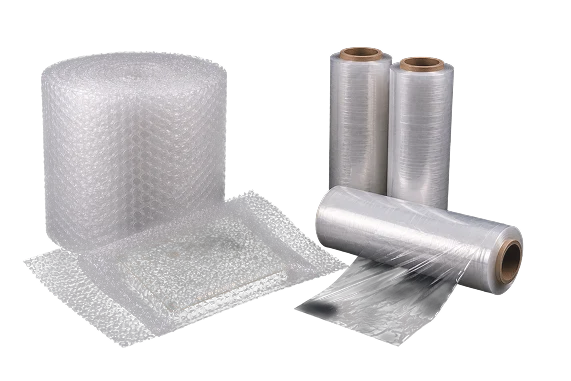
BASIC PROTECTION
- —Bubble Wrap
- —Stretch Film
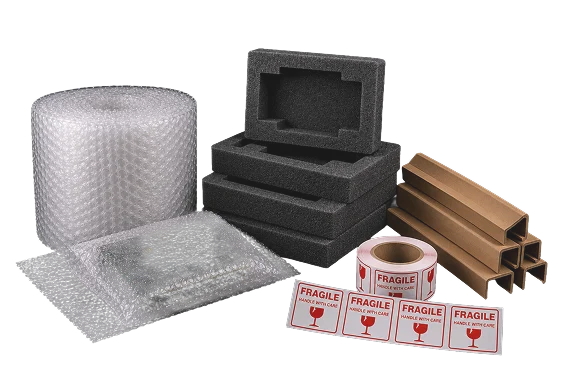
INDUSTRIAL PROTECTION
- —Bubble Wrap
- —Stretch Film
- +Foam Inserts
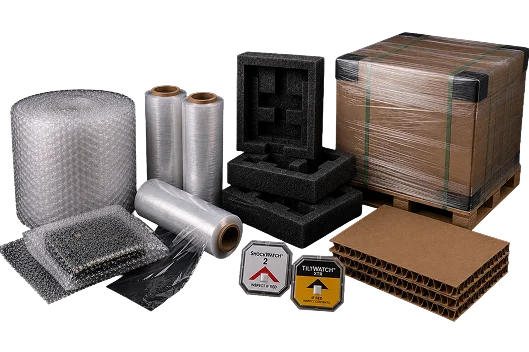
CRITICAL PROTECTION
- —Bubble Wrap
- —Stretch Film
- —Foam Inserts
- +Shock & Tilt Indicator
- +Pallet Protection
- +Honeycomb Board
WHERE TRANSIT DAMAGE ACTUALLY SHOWS UP
Boards shift, stack pressure builds, and vibration accumulates over hours or days of transport. None of this is visible from outside the carton.
The damage isn't always a clean break. A hairline crack or a shifted component can pass a visual check and still fail later.
The carton looks fine on arrival. The damage is only found once it's opened and the component is tested.
WHICH LEVEL DO YOU NEED?
Who This Protects
Common Questions
Q: Which drop-test standards are most relevant to electronics transit packaging?
A: ASTM D4169 and ISTA 3A (for parcel delivery) are the industry-standard protocols. They simulate vertical drops, rotational impacts, loose-load vibration, and environmental conditioning to ensure custom ESD trays and shock-absorbing outer boxes withstand transport forces.
Q: How do you measure vibration damage inside container boxes during shipping?
A: We use multi-axis impact recorders and digital data loggers attached to test shipments. These record tri-axial acceleration (G-forces) and vibration frequencies (Hz) in transit, which are mapped against ASTM PSD (Power Spectral Density) profiles during design verification.
Related Protection Risks
Also dealing with export risk?
See Export Risk→Also dealing with warehouse risk?
See Warehouse Risk→Not sure which level fits your transit damage?
Share SMT/EMS details and our custom design engineers will specify target levels for your line components.